{article.name}


Why Chickens Lay Fewer Eggs in Fall and Winter
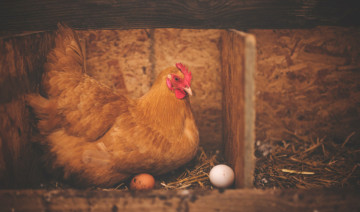
If you raise backyard chickens, you may notice something missing from the nesting boxes once fall arrives: eggs!
A hen that reliably produced eggs throughout spring and summer may suddenly begin laying less frequently, or even stop for a period of time. While it can be concerning for newer chicken keepers, a seasonal decline in egg production is often completely normal.
Shorter days, molting, colder temperatures, age, nutrition, and other factors can all influence how frequently a hen lays. Understanding these seasonal changes can help you provide the care your flock needs throughout fall and winter.
Shorter Days Mean Fewer Eggs
One of the biggest factors affecting seasonal egg production is daylight.
A hen's reproductive cycle is influenced by the number of daylight hours she receives. During spring and summer, longer days naturally encourage egg production. As fall approaches and daylight hours decrease, egg production often slows along with them.
This means a healthy hen that was laying consistently in June or July may produce significantly fewer eggs by late fall or winter.
Some chicken keepers choose to use supplemental lighting to maintain a longer "day" inside the coop. Others prefer to allow their hens to follow their natural seasonal cycle and take a break from laying. If you're considering supplemental lighting, research proper poultry lighting practices and consider speaking with a veterinarian or poultry professional about what's appropriate for your flock.
Your Chickens May Be Molting
Shorter days also tend to coincide with another major seasonal event: molting.
Chickens periodically shed old feathers and grow new ones, and many adult birds experience a noticeable molt during the fall. You might see loose feathers throughout the coop and run, patchy-looking birds, or chickens that suddenly look a little less fluffy than usual.
Growing an entirely new set of feathers requires considerable nutritional resources. During this time, a hen's body may redirect energy and nutrients away from egg production and toward feather growth. As a result, laying can slow dramatically or temporarily stop.
Molting is a natural process, so don't panic if your nesting boxes become less productive while feathers seem to be everywhere.
Nutrition Still Matters
Even when your chickens aren't laying as frequently, balanced nutrition remains important.
A complete poultry feed formulated for your birds' age and stage of production should generally make up the foundation of their diet. It's tempting to offer extra scratch grains and treats when temperatures drop, but too many extras can dilute the balanced nutrition your chickens receive from their regular feed.
During molting and other periods of increased nutritional demand, make sure birds have consistent access to an appropriate complete feed.
Fresh, clean water is equally important. Chickens need reliable access to water throughout the year, including when temperatures drop below freezing.
Cold Weather Can Affect the Flock
Chickens can tolerate surprisingly cool conditions when they are healthy, properly acclimated, and provided with appropriate housing. However, severe cold and other environmental stressors can affect their energy needs.
In colder conditions, birds use energy to help maintain their body temperature. Combined with shorter days and molting, this can contribute to the seasonal changes you notice in your flock.
Prepare your coop before winter by checking for leaks, addressing excessive drafts around roosting areas, providing clean and dry bedding, and maintaining adequate ventilation.
Ventilation is particularly important. Sealing a coop tightly to keep it warm can trap moisture and reduce air quality. The goal is to provide protection from harsh weather while still allowing appropriate airflow.
Don't Forget About Water
Keeping water available can become one of the biggest challenges of winter chicken care.
Frozen water isn't useful to a thirsty chicken, so waterers should be checked regularly during freezing weather. Depending on your setup, you may need to replace frozen water throughout the day or use equipment designed to help prevent freezing.
Check waterers frequently for cleanliness as well. Even during winter, dirty water can become a health concern.
Planning your winter watering setup before freezing temperatures arrive can make daily flock care much easier.
Age Can Affect Egg Production, Too
Season isn't always the only reason you're collecting fewer eggs.
Young hens often reach peak production during their earlier laying years, while egg production generally declines as birds get older. If you have an established flock with several older hens, the seasonal slowdown may seem more noticeable than it does with younger birds.
Different breeds also have different laying tendencies. Some breeds are known for relatively consistent egg production, while others may have more pronounced seasonal changes.
Keeping basic records of your flock's age, laying patterns, molting, and other changes can help you recognize what is normal for your individual birds.
Watch for Signs That Something Else Is Going On
A gradual decline in egg production during fall and winter is often normal, particularly when it occurs alongside shorter days or molting. However, a sudden drop in production can sometimes indicate another issue.
Pay attention to your flock's overall behavior and appearance. Changes in appetite, unusual droppings, lethargy, respiratory symptoms, significant weight changes, parasites, or other signs of illness deserve attention.
Stress can also influence egg production. Predator activity, overcrowding, changes to the flock, inadequate nutrition, lack of water, or major disruptions to the birds' environment may all play a role.
If egg production suddenly changes and you can't identify a seasonal or management-related explanation, consider consulting a veterinarian experienced with poultry.
Be Patient With Your Flock
When the egg basket isn't as full as it was during summer, don't assume something is wrong. Fall and winter naturally bring changes for backyard chickens.
Shorter daylight hours, molting, colder temperatures, age, and nutrition can all influence how frequently your hens lay. For many flocks, production will begin increasing again as daylight hours grow longer.
In the meantime, focus on the basics: balanced nutrition, fresh water, clean and dry housing, adequate ventilation, and protection from harsh weather.
A little preparation and patience can go a long way toward keeping your flock healthy and comfortable throughout the colder months.
Need to prepare your flock for fall and winter? Stop in for poultry feed, bedding, waterers, and other chicken-keeping essentials to help keep your birds cared for all season long.
Comments