{article.name}


Signs Your Livestock May Be Stressed by Summer Heat—and How to Help
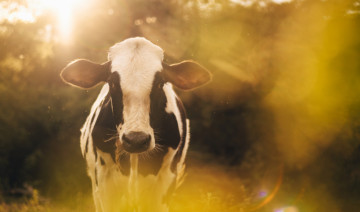
Summer brings longer days and growing pastures, but it also brings rising temperatures that can take a toll on livestock. Heat stress doesn't just make animals uncomfortable—it can affect feed intake, growth, milk production, reproduction, and overall health. Recognizing the signs early and taking steps to keep animals cool can help them stay healthy and productive throughout the hottest months of the year.
Whether you care for cattle, horses, goats, sheep, pigs, poultry, or other livestock, understanding how to manage summer heat is an important part of seasonal animal care.
What Is Heat Stress?
Heat stress occurs when an animal's body has difficulty regulating its temperature. High temperatures combined with humidity, direct sunlight, and limited airflow can make it harder for livestock to cool themselves naturally.
Every species tolerates heat differently, but all animals can be affected during prolonged periods of hot weather.
Common Signs of Heat Stress
Knowing what to watch for allows you to respond before heat stress becomes a serious problem.
Increased Breathing or Panting
One of the earliest signs of heat stress is rapid or labored breathing. Animals may pant more heavily than usual as they try to cool themselves.
Reduced Feed Intake
Livestock often eat less during hot weather because digestion generates body heat. A temporary decrease in appetite is common, but prolonged reductions can impact body condition and production.
Increased Water Consumption
Animals naturally drink more water during warm weather. If water intake suddenly increases, it may indicate they're working harder to stay cool.
Lethargy
Heat-stressed animals may appear sluggish or less interested in grazing, moving, or interacting with the herd.
Seeking Shade
If shade is available, animals will often gather there during the hottest part of the day. This is normal behavior and helps reduce heat exposure.
Drooling or Open-Mouth Breathing
Excessive salivation, open-mouth breathing, or heavy panting can indicate more significant heat stress, particularly in cattle, poultry, and pigs.
Declining Production
Heat stress can lead to:
- Reduced milk production
- Lower weight gain
- Decreased egg production
- Reduced reproductive performance
Monitoring production can help identify problems that aren't immediately visible.
Help Animals Stay Cool
Fortunately, there are several ways to reduce heat stress and improve animal comfort during the summer.
Provide Plenty of Fresh Water
Water is the single most important resource during hot weather.
Be sure to:
- Keep water clean and fresh.
- Check tanks and troughs frequently.
- Make sure all animals have easy access.
- Refill water sources as needed throughout the day.
Even short periods without water can increase the risk of heat stress.
Maximize Shade
Natural or constructed shade can make a significant difference.
Consider:
- Trees
- Shade cloth structures
- Roofed shelters
- Portable shade options for pastures
Providing enough shaded space helps reduce crowding and allows more animals to cool comfortably.
Improve Airflow
Good ventilation helps animals dissipate body heat more effectively.
For housed livestock:
- Open windows and doors when appropriate.
- Use fans to increase air circulation.
- Keep bedding dry.
- Avoid overcrowding.
Proper airflow is especially important in poultry houses and barns.
Feed During Cooler Hours
Animals often have better appetites early in the morning or later in the evening.
When possible:
- Feed during cooler parts of the day.
- Remove spoiled feed promptly.
- Monitor feed intake regularly.
This can encourage better consumption during periods of high heat.
Reduce Stressful Activities
Avoid handling, transporting, or working livestock during the hottest part of the day whenever possible.
If these activities are necessary, schedule them during early morning or evening hours when temperatures are lower.
Watch Pastures Carefully
Summer conditions can affect pasture quality as temperatures rise.
Inspect grazing areas regularly for:
- Dry or stressed forage
- Reduced grass growth
- Toxic weeds
- Adequate shade availability
Rotating pastures when appropriate can help maintain healthier forage throughout the season.
Monitor Animals More Frequently
Hot weather can change quickly.
Take a few extra minutes each day to observe your animals for:
- Changes in behavior
- Reduced activity
- Difficulty breathing
- Water availability
- Signs of illness
Early intervention often prevents more serious problems.
Don't Forget Smaller Animals
Backyard flocks, rabbits, goats, and other small livestock are also vulnerable to summer heat.
Be sure they have:
- Shade throughout the day
- Fresh, cool water
- Good ventilation
- Clean living areas
- Protection from direct afternoon sun
Simple adjustments can make a big difference in their comfort.
Plan Ahead for Heat Waves
Extreme heat can arrive with little warning.
Prepare in advance by:
- Cleaning water tanks and checking automatic waterers.
- Repairing fans and ventilation systems.
- Inspecting shade structures.
- Stocking any needed electrolytes or livestock supplies.
- Developing a plan for especially hot days.
Preparation makes it easier to respond quickly when temperatures climb.
Keeping Your Herd Healthy All Summer Long
Summer heat is a challenge for every farm, but proactive management can help reduce stress and keep animals comfortable. Providing fresh water, adequate shade, good ventilation, and careful observation throughout the season goes a long way toward supporting the health and well-being of your livestock.
If you have questions about seasonal nutrition, fly control, waterers, fencing, or other livestock essentials, stop by. Our knowledgeable team is happy to help you find the products and solutions you need to keep your animals healthy throughout the summer.
Comments