{article.name}


Spring Goat Care: What to Know as the Weather Warms Up
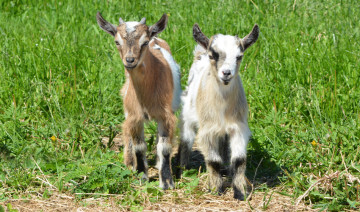
As winter fades and spring takes hold, goat owners enter one of the most active and important times of the year. Warmer temperatures, fresh pasture growth, and the tail end of kidding season all bring new opportunities—and new responsibilities. Whether you’re caring for a small backyard herd or managing a larger operation, a little extra attention in May can help keep your goats comfortable and thriving.
Here’s what to keep in mind as the weather warms up.
1. Adjust Feeding for the Season
Spring pasture can be a welcome change after a winter of hay, but it’s important to transition goats carefully.
- Introduce pasture gradually to avoid digestive upset or bloating
- Continue offering hay during the transition to support rumen health
- Provide loose minerals formulated specifically for goats
- Ensure constant access to fresh, clean water
While fresh forage is nutritious, it doesn’t always provide everything goats need on its own—especially during periods of growth or lactation.
2. Manage Pasture and Grazing
Spring growth can be fast and uneven, so pasture management plays a big role in herd health.
- Rotate grazing areas to prevent overgrazing and parasite buildup
- Watch for toxic plants that may emerge in spring
- Keep grass at a manageable height—goats prefer browsing but will graze when needed
- Avoid overly wet pastures to reduce hoof issues and parasite exposure
Good pasture practices support both your land and your animals throughout the season.
3. Stay on Top of Parasite Control
Warmer, wetter conditions create the perfect environment for internal parasites, which are one of the biggest health concerns for goats.
- Monitor goats for signs of parasites (weight loss, rough coat, lethargy)
- Use tools like FAMACHA scoring to check for anemia
- Practice rotational grazing to break parasite life cycles
- Work with a veterinarian on a targeted deworming plan
Early awareness and management are key to keeping your herd healthy.
4. Support Does and Kids
If you’ve had kids born recently, spring is a critical time for both mothers and young goats.
- Ensure kids are nursing well and gaining weight
- Provide creep feed if needed to support growth
- Keep bedding clean and dry in shelters
- Watch does for signs of nutritional stress during lactation
Healthy early development helps set the foundation for strong, resilient goats.
5. Maintain Hoof and Coat Care
As conditions change, so do grooming and maintenance needs.
- Trim hooves regularly, especially if goats are on softer spring ground
- Check for hoof rot or foot scald in damp conditions
- Brush or help remove shedding winter coats to keep goats comfortable
Routine care helps prevent small issues from becoming bigger problems.
6. Prepare for Rising Temperatures
While spring weather can still be mild, warmer days are on the way.
- Provide adequate shade in pastures and pens
- Ensure proper ventilation in barns or shelters
- Keep water sources clean and plentiful
- Watch for early signs of heat stress as temperatures climb
Getting ahead of heat-related challenges makes the transition into summer easier.
7. Check Fencing and Housing
Goats are naturally curious—and spring energy can make them even more adventurous.
- Inspect fencing for gaps or weak spots
- Repair damaged gates or enclosures
- Make sure shelters are secure and weather-ready
A quick check now can prevent escapes and keep your herd safe.
A Season of Growth and Care
Spring is a season of renewal, and that’s especially true on the farm. With thoughtful attention to feeding, pasture, health, and environment, you can help your goats adjust smoothly to the changing season.
Taking the time to prepare now helps create a more manageable, enjoyable season—for both you and your herd.
Comments